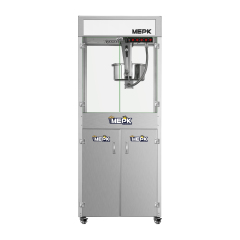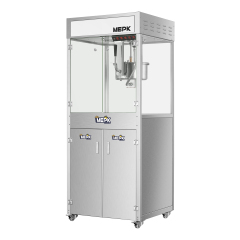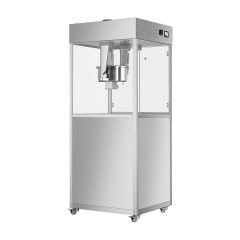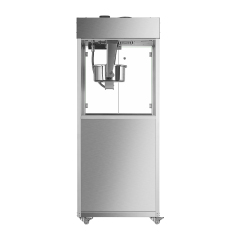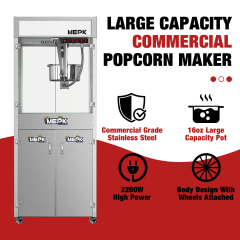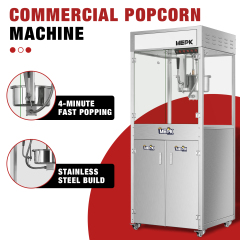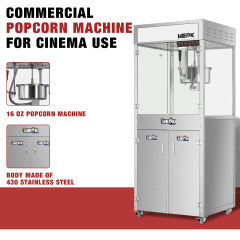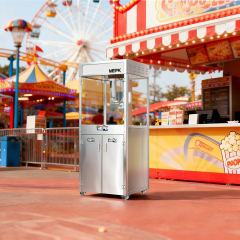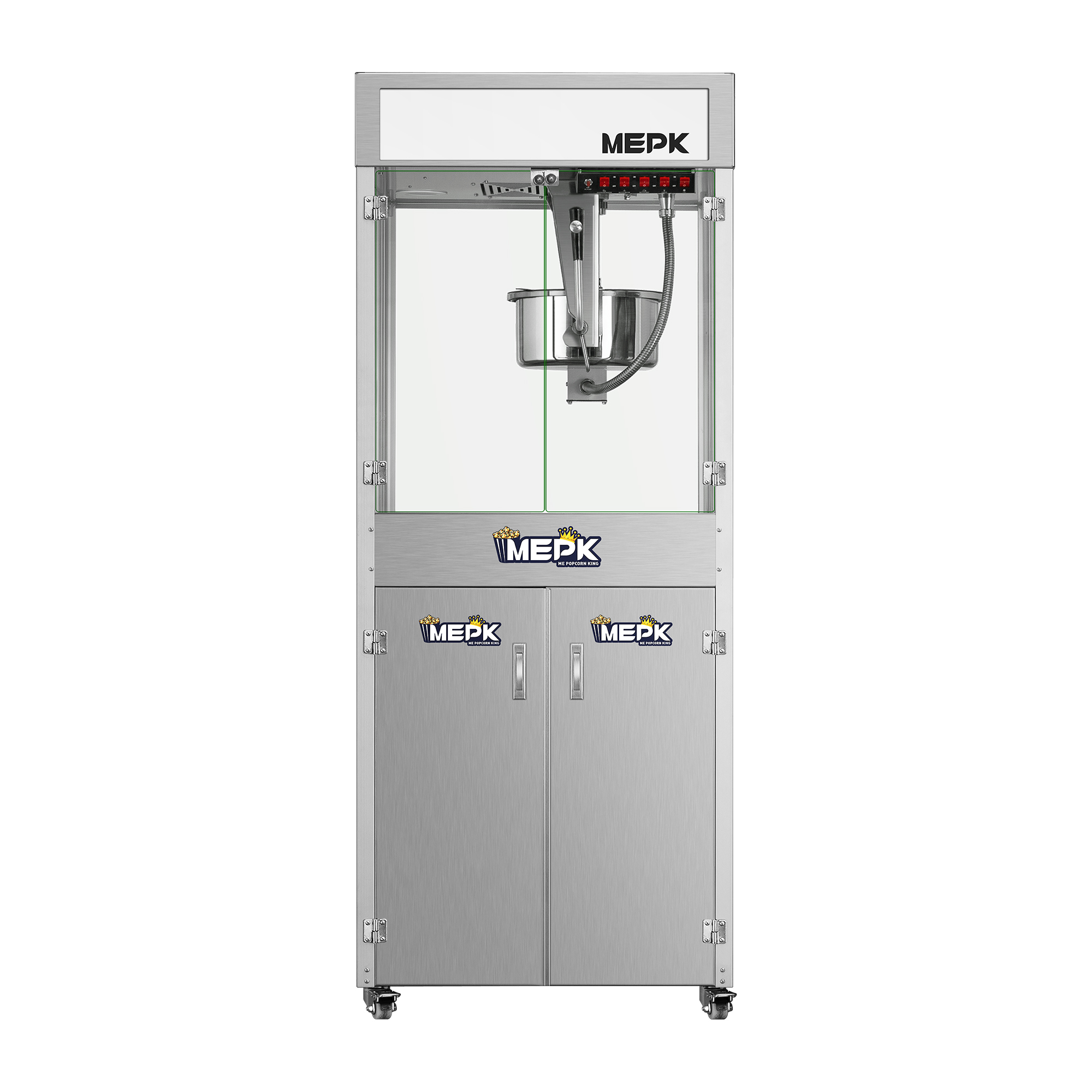
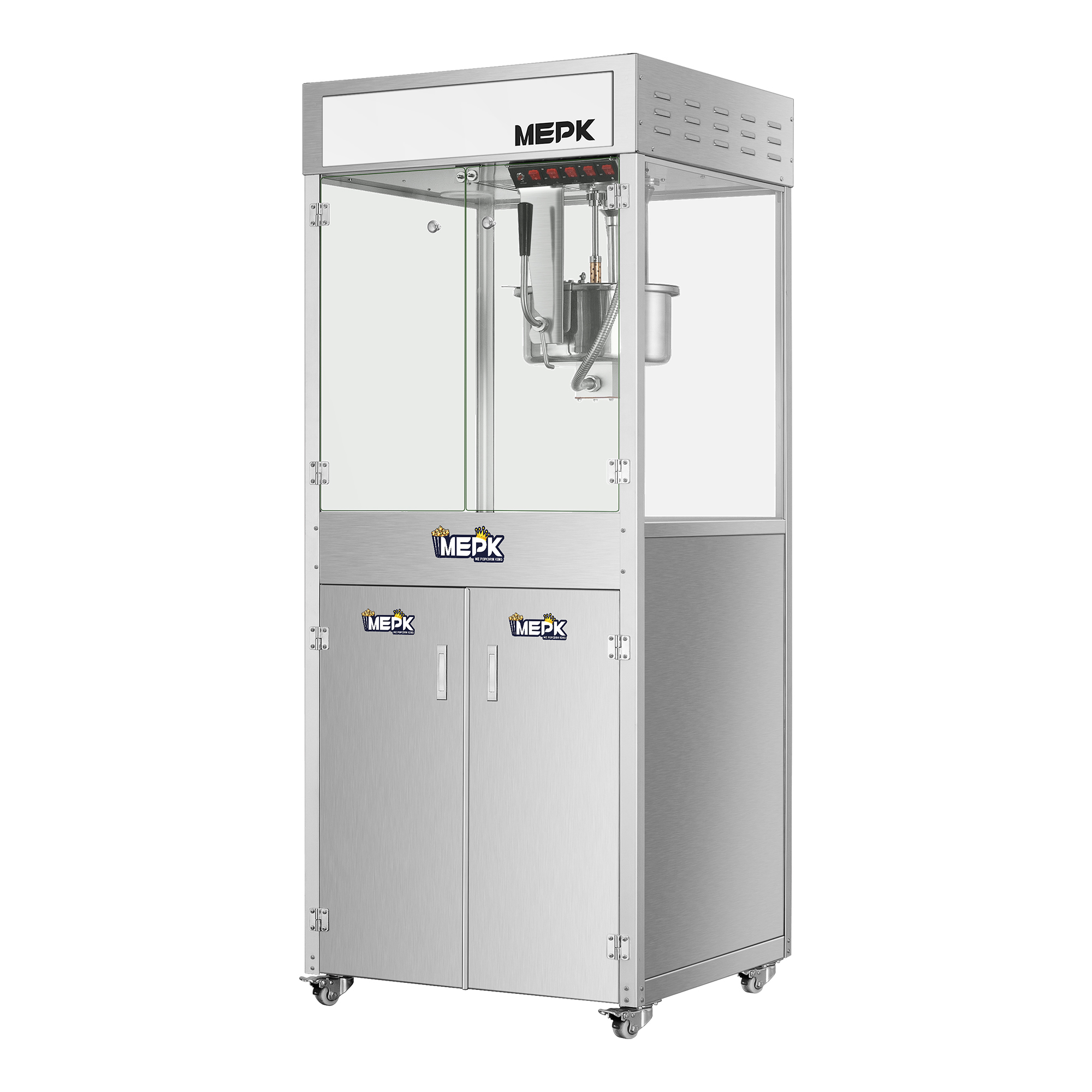
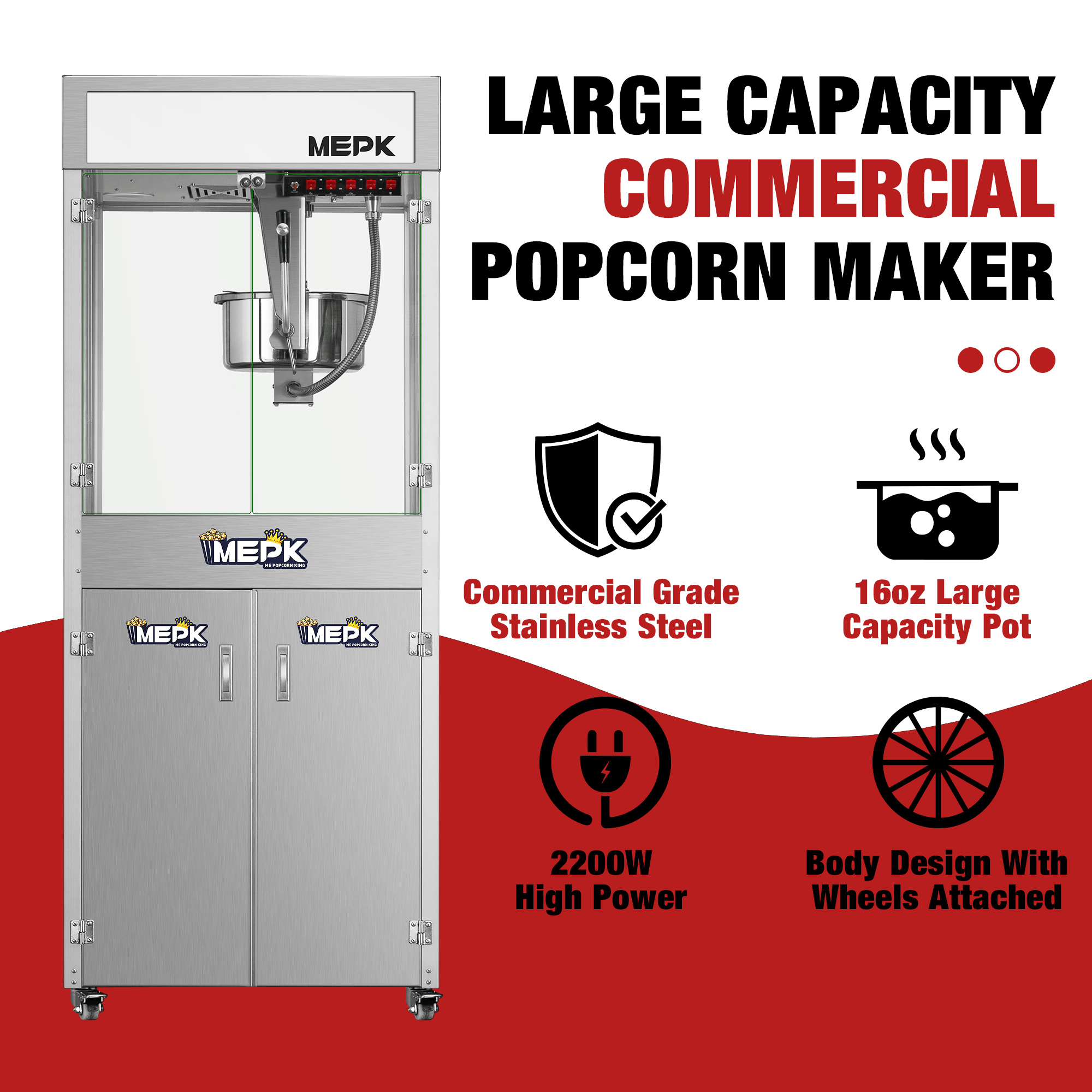
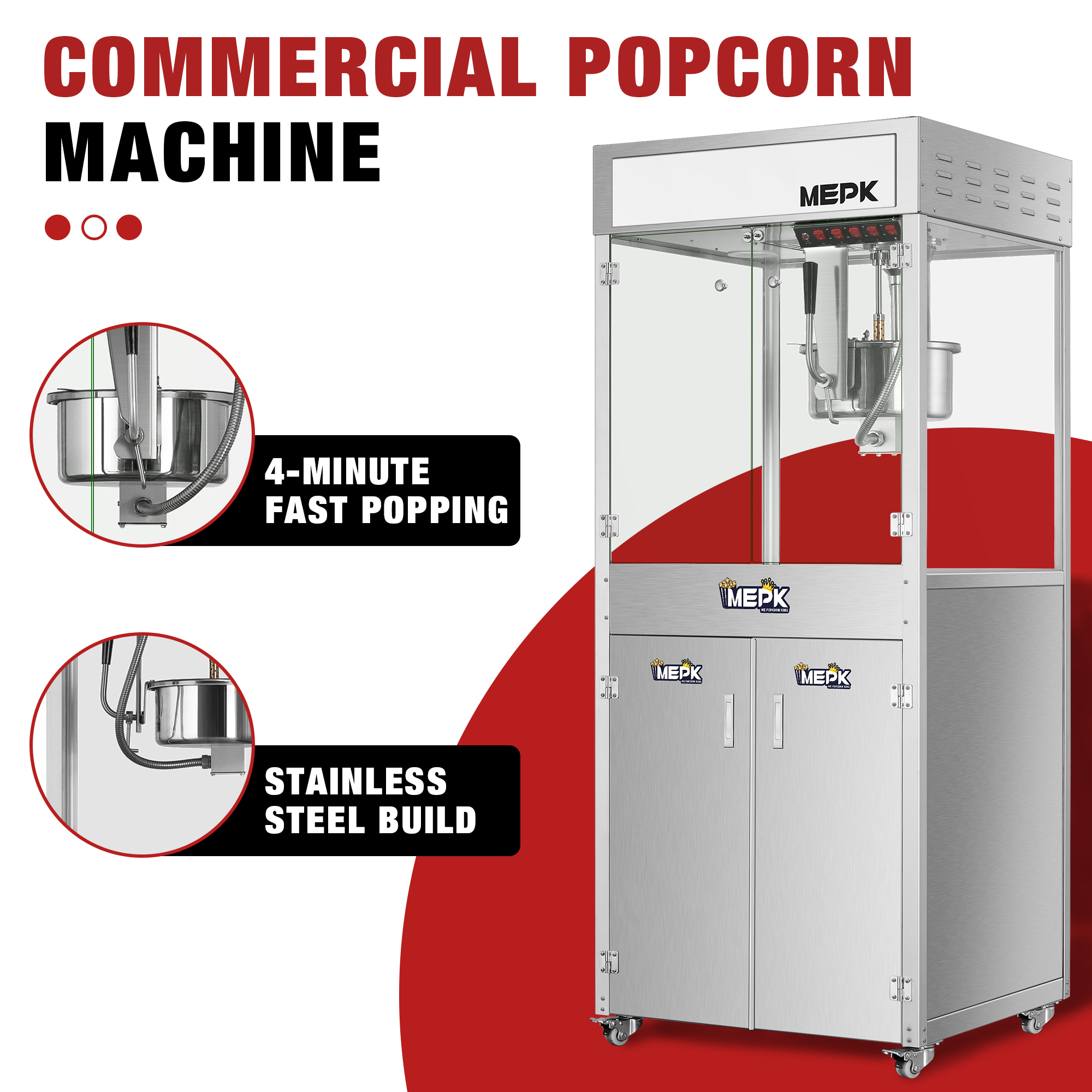
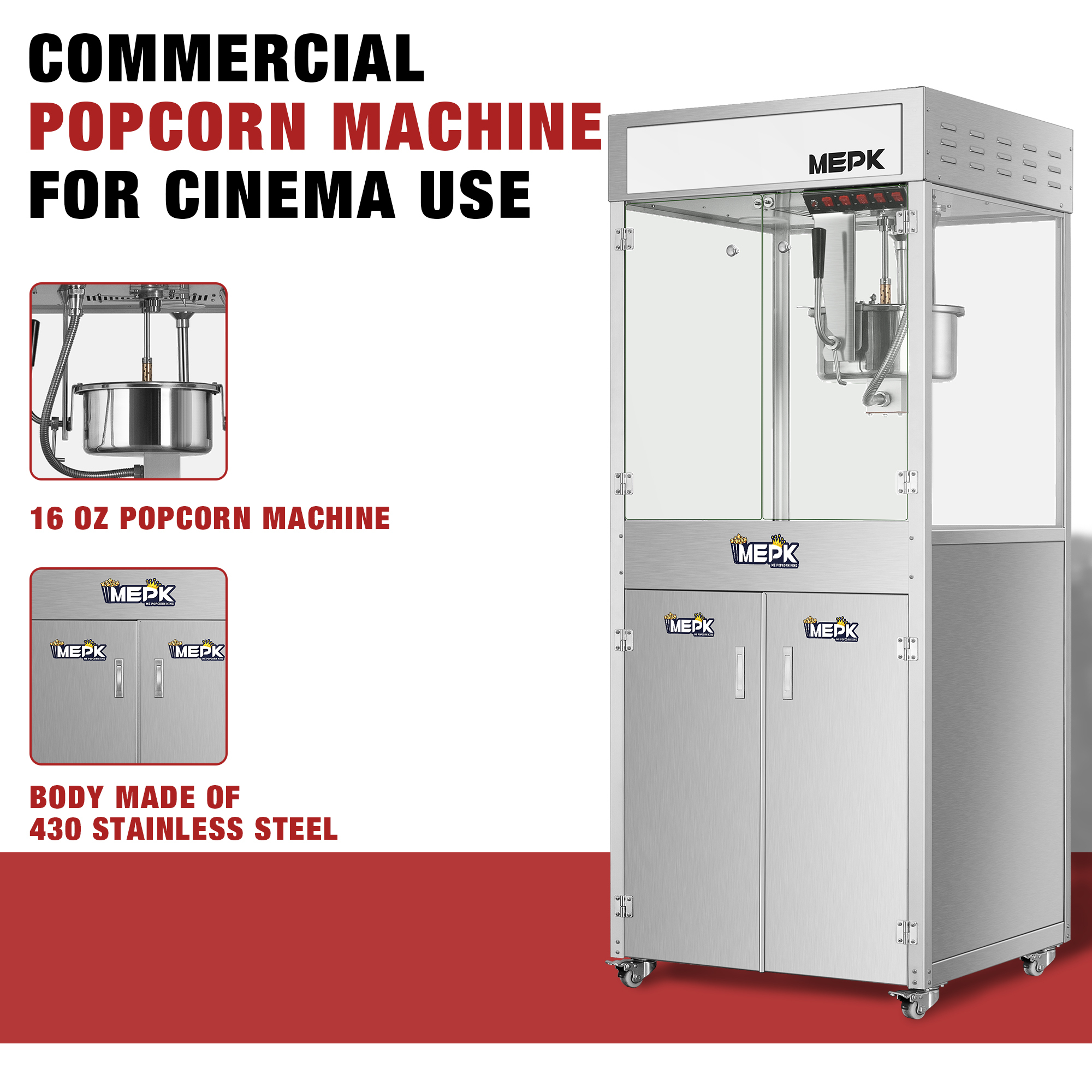
The BR-3325 from a leading commercial popcorn machine manufacturer delivers rapid, consistent output with a powerful heating tube system and durable stainless steel design, ideal for professional popcorn popper operations.
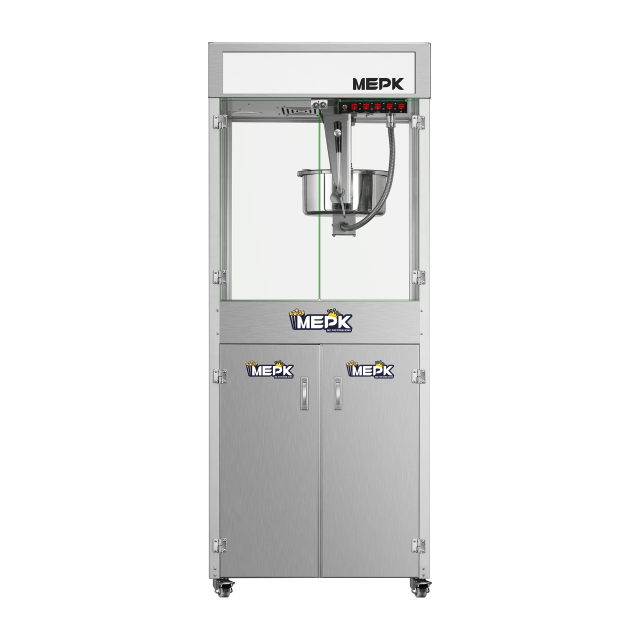
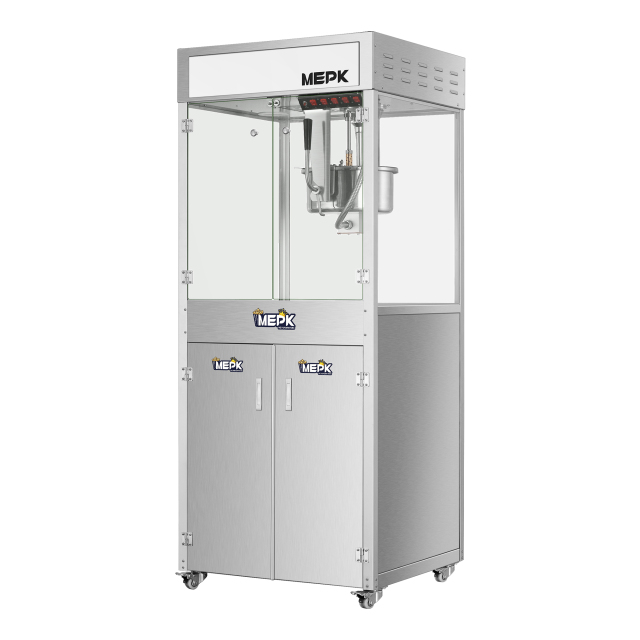
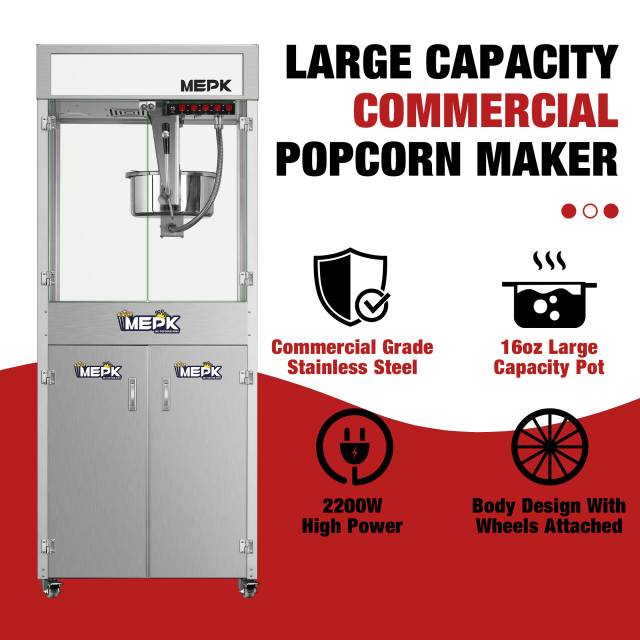
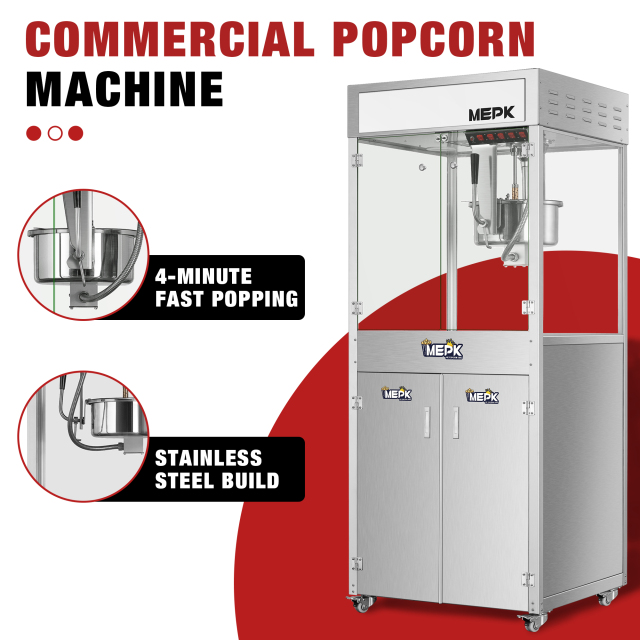
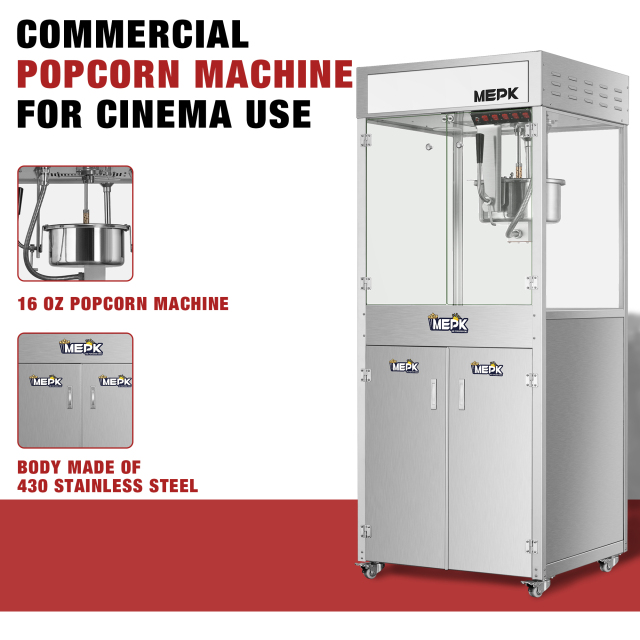
The BR-3325 is a fast-cycle machine for counters where the display empties before a single batch can refill it. A 16 oz kettle sits in a tempered-glass chamber above a 430 stainless cabinet, and the four-minute pot cycle sets the working rhythm: one drop lands, the next charge goes in, and the tray is restocked before the queue reaches the till.
We build this model as a popcorn machine manufacturer builds equipment that will be worked every day. The kettle lifts out, the chamber opens, and four castors let one person pull the cabinet clear for cleaning. The controls sit at standing height on the front panel, so staff can reach them without leaning across hot glass.
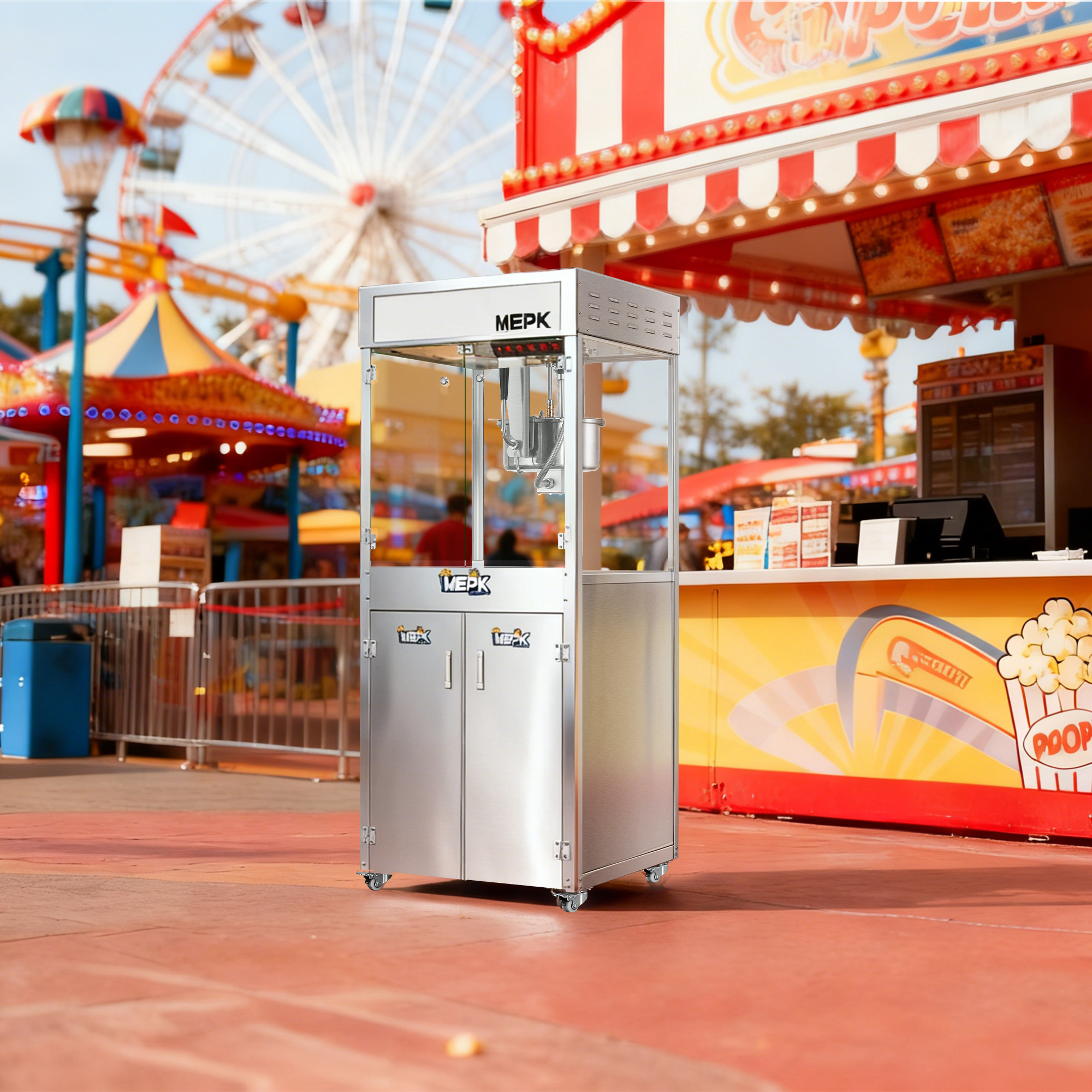
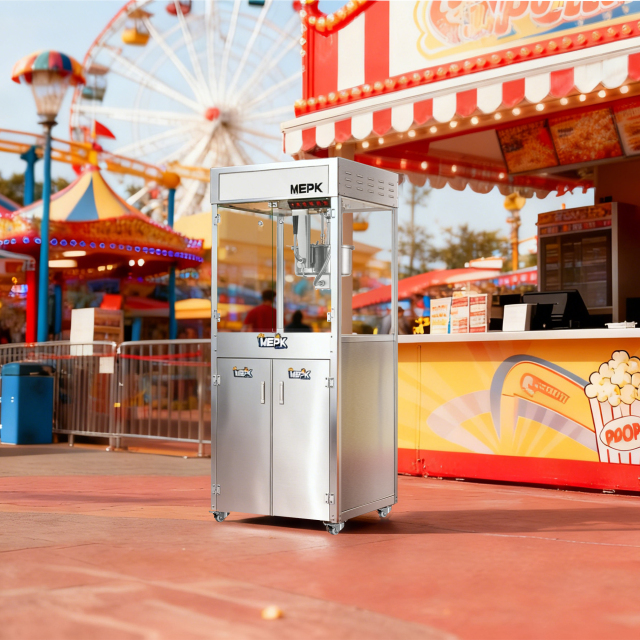
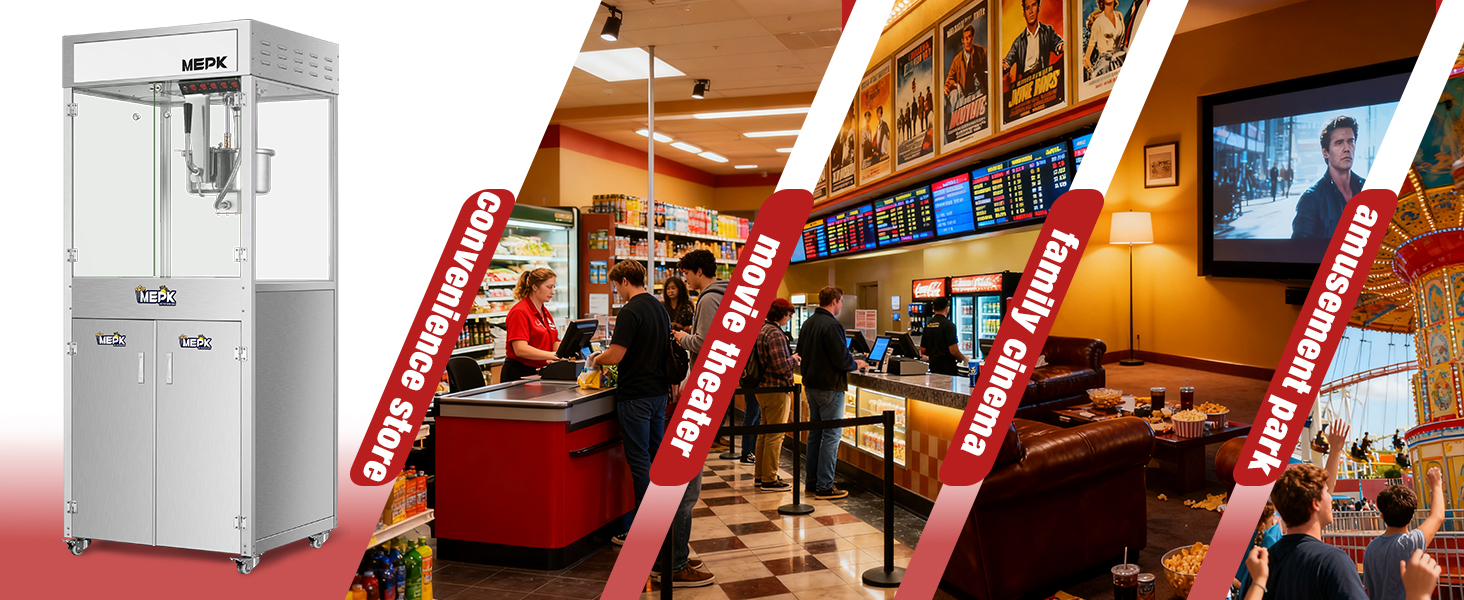
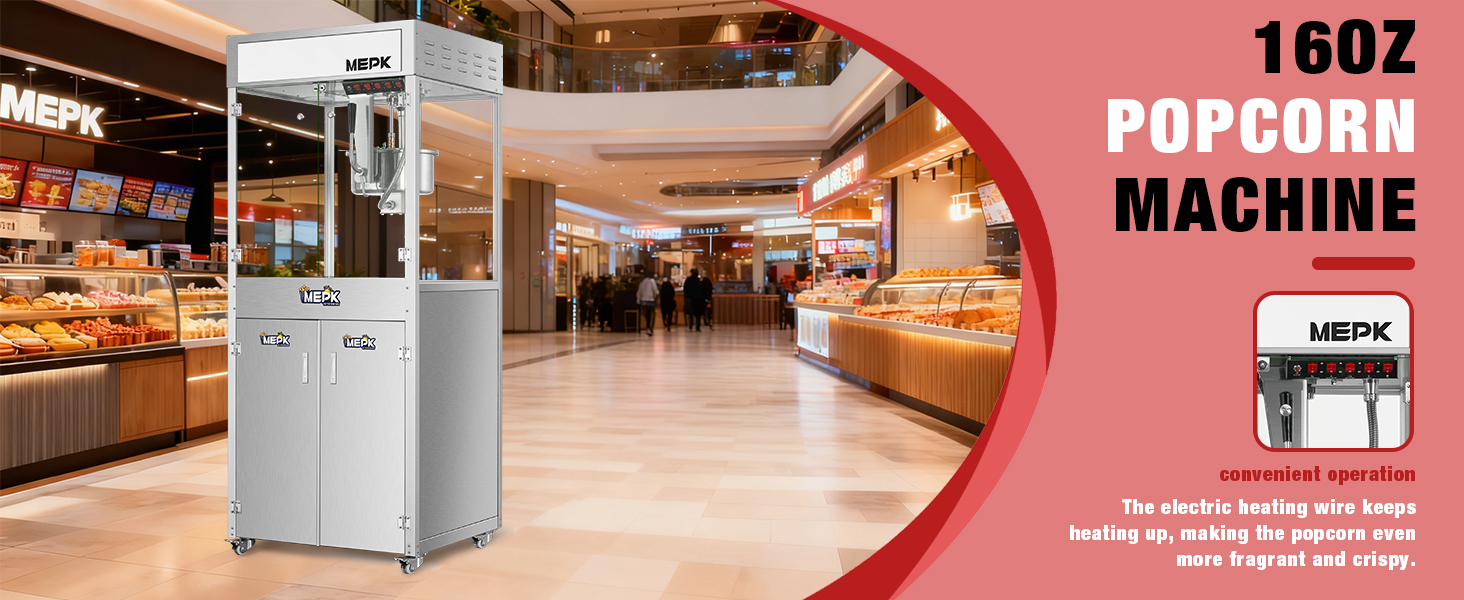
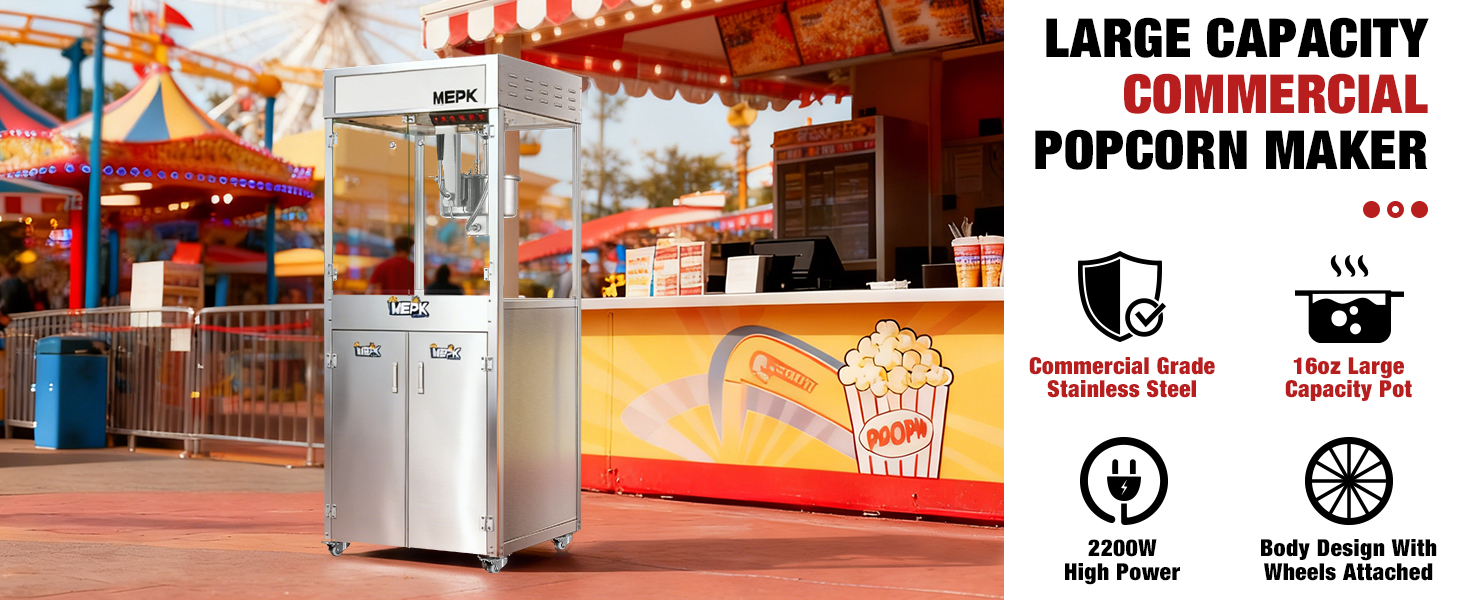
This is not a retro popcorn machine bought as decoration and switched on a few times a year. It is one kettle, one cabinet and one cleaning routine, sized for cinema foyers, convenience-store snack counters, amusement parks and event venues where popcorn has to be ready before the next wave of customers arrives.
| Specification | Detail |
|---|---|
| Model No. | BR-3325 |
| Dimensions | 676 × 676 × 1750 mm |
| Power supply | AC 120 V 60 Hz |
| Heating power | 2200 W |
| Kettle capacity | 16 oz |
| Popping time | About 4 minutes per pot |
| Output per pot | Approximately 590 g |
| Kettle charge | 300 g corn, 200 ml oil, 150 g sugar |
| Heating method | Heating tube |
| Body material | 430 stainless steel |
| Glazing | Tempered glass chamber, acrylic door |
| Controls | Dual temperature control, thermal protection |
| Net weight | 110 kg |
| Washable parts | Kettle and chamber components |
A four-minute pot cycle and roughly 590 g per drop are the two figures to plan around. One drop fills a serving tray; the gap between drops is one cycle plus the time it takes to reload and close the door. If a peak needs more than one kettle can deliver, the answer is a second machine or a longer service window, not a fuller kettle — overloading is what leaves a tray of unpopped kernels at the bottom.
The charge matters as much as the kettle. For this electric popcorn popper we list 300 g of corn with 200 ml of oil and 150 g of sugar, and also a heavier charge of 500 g of corn with the same oil and sugar. Which one to start from depends on the corn you buy and the texture you want to sell, so ask us before your first service and we will confirm the charge for your kernel. Once you have a charge that works, keep the ratio steady: too little oil and the sugar scorches before the kernels open, too much and the corn comes out greasy and flat.
If you are comparing one popcorn machine supplier with another, the useful questions are how long a batch takes and how much comes out of the kettle when it is done. This model answers both. The rest of the decision comes down to how the counter is staffed around that rhythm.
Do not pre-pop the whole afternoon. The holding heat is there to bridge the gap between batches, not to keep one batch warm for hours, which is how corn turns chewy.
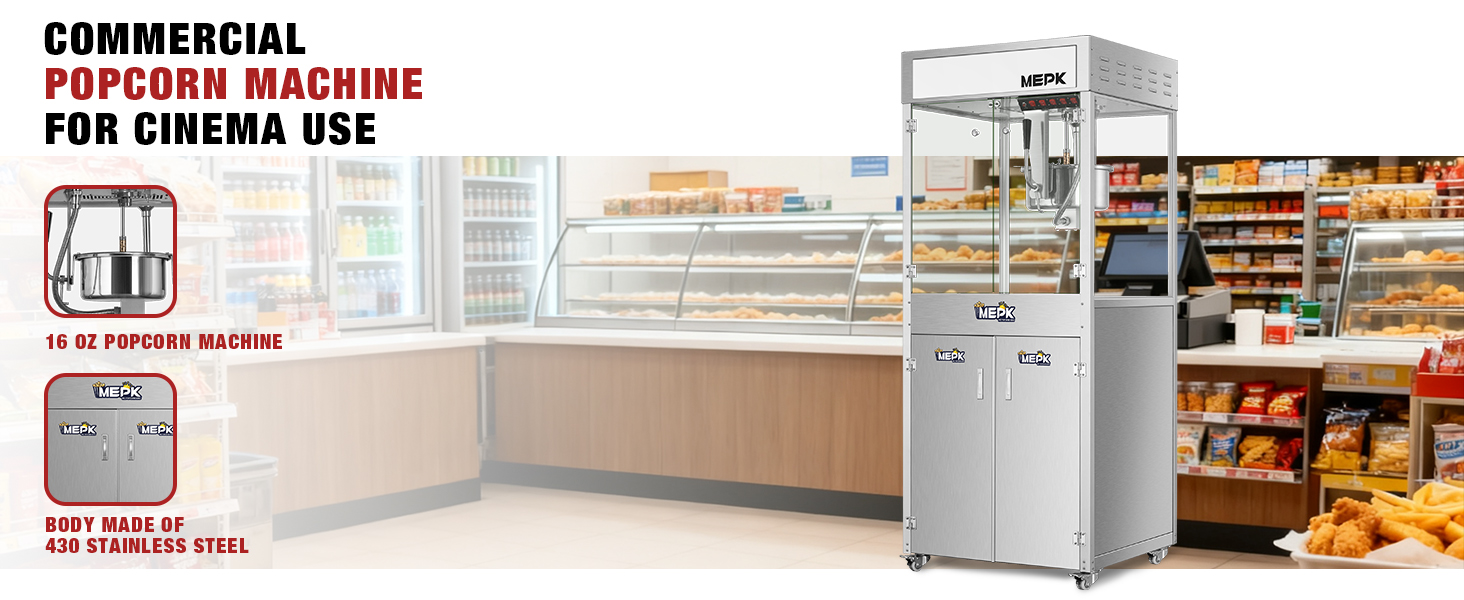
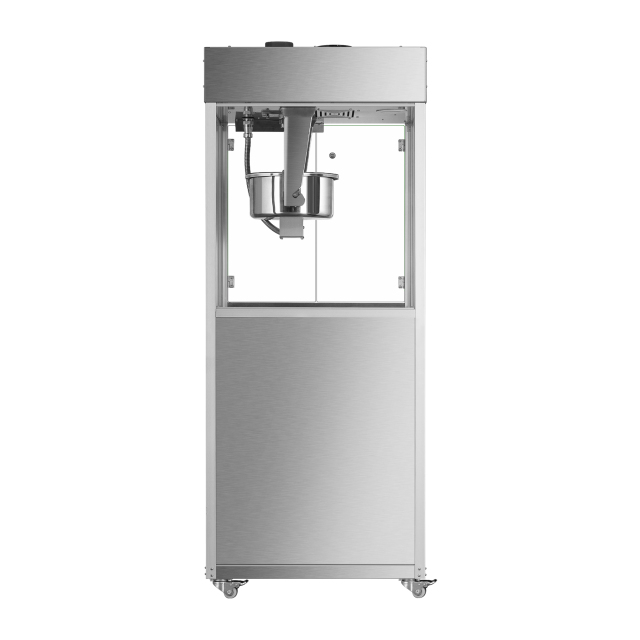
The body is built from 430 stainless steel, a grade chosen for corrosion resistance and for the way it behaves when a trolley clips the corner of the cabinet. It is finished as bare brushed metal rather than a painted shell, so there is no coating to chip, flake or touch up. If you are replacing a vintage popcorn machine whose panels have already been repainted once, the difference is visible at the first knock.
The chamber is tempered glass. It takes the heat of the kettle and the knocks of a busy counter far better than ordinary glass, and it does the selling as well: a customer watching a batch come up behind clean glass is a highly effective form of advertising for the counter. The door panel is acrylic rather than glass — lighter, warmer to the touch and less likely to shatter if it is swung open too hard during a rush.
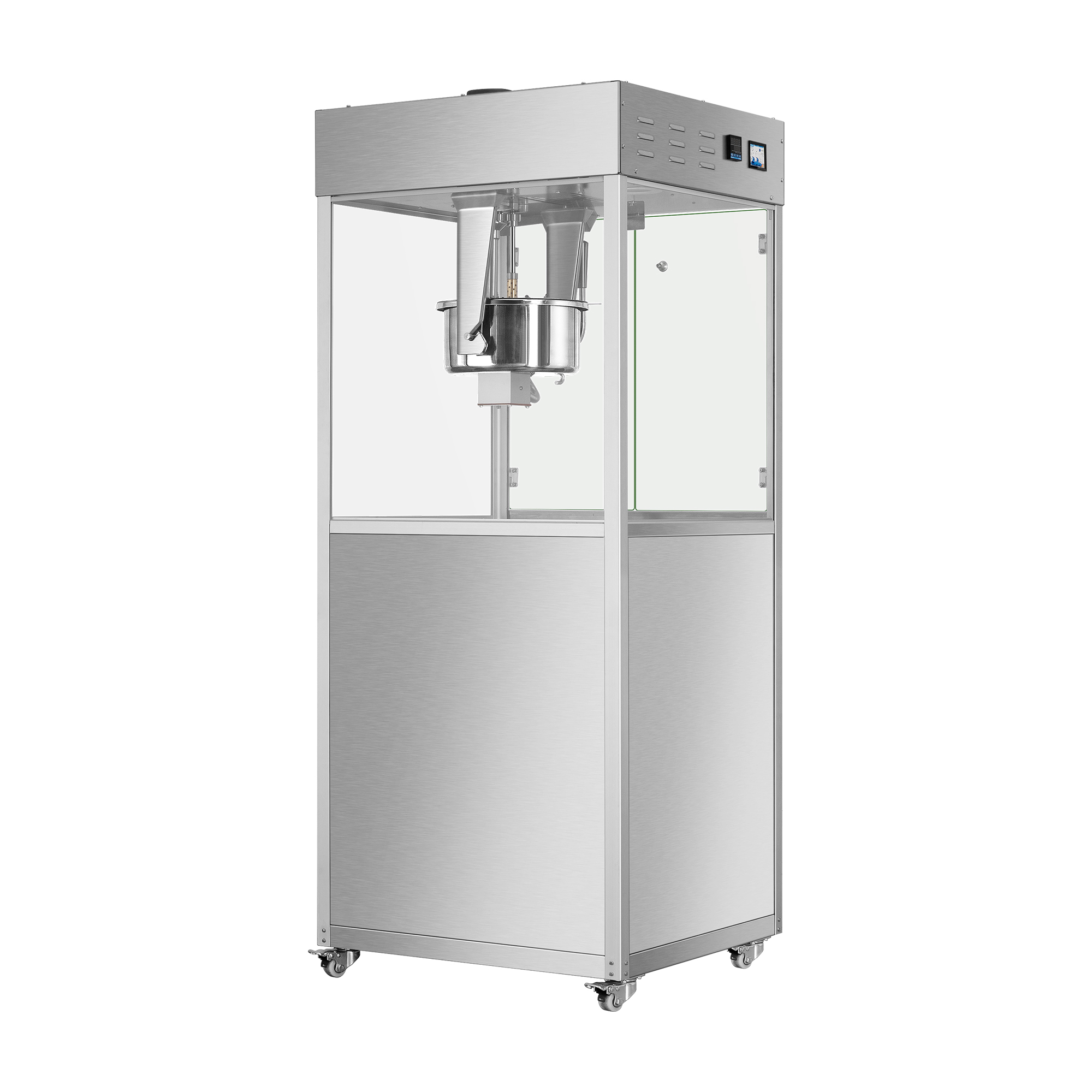
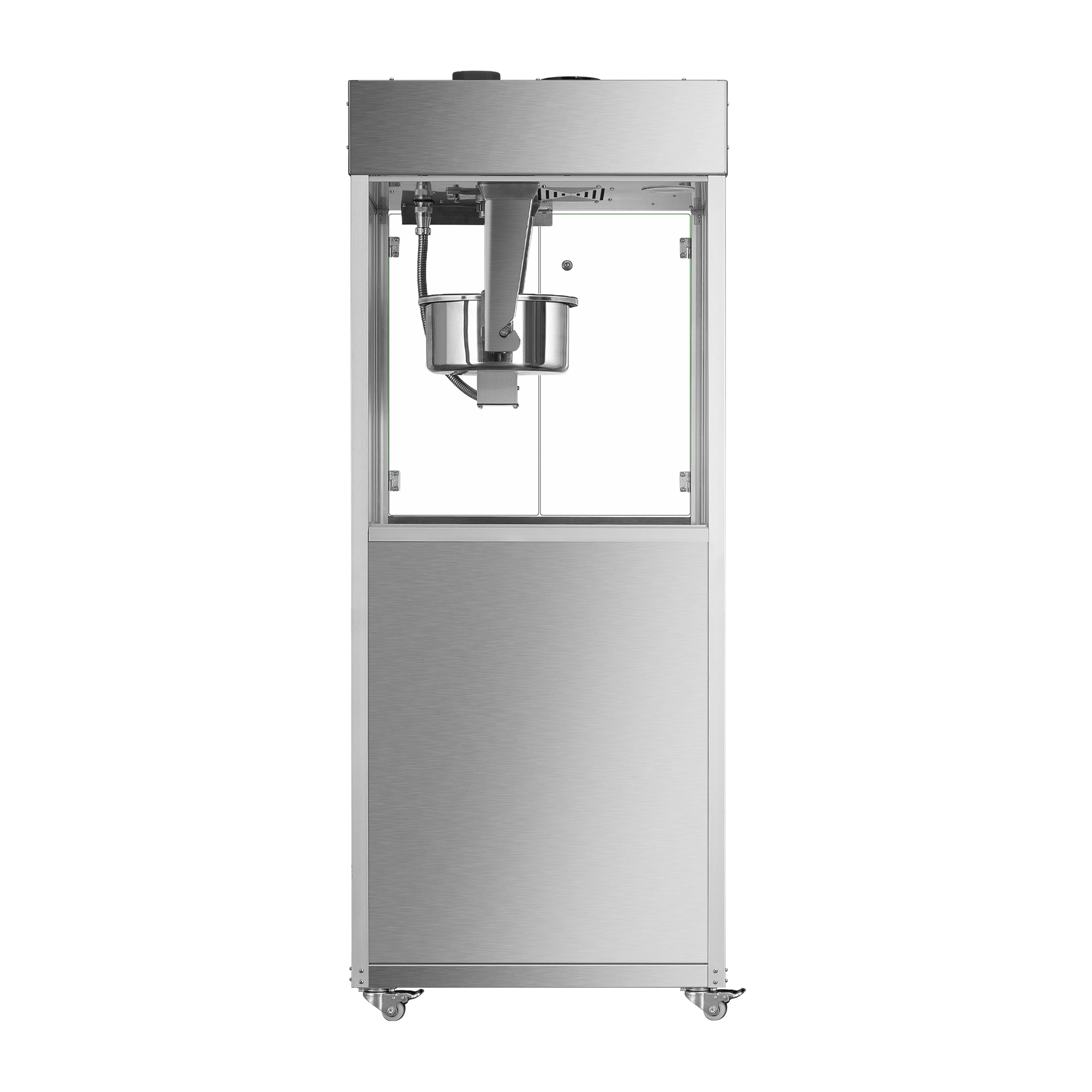
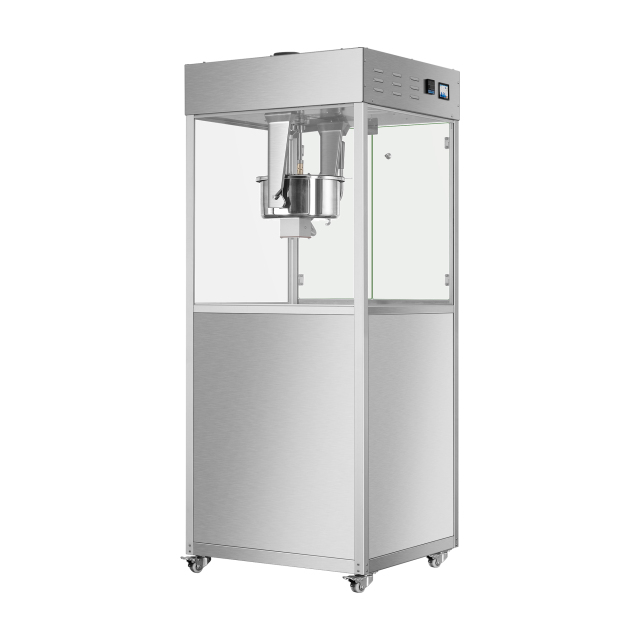
Around the cabinet the details are there for service rather than for show. Louvred vents run down the sides and across the top, giving the heat somewhere to go during a long shift instead of cooking the electrics. Four mounted castors let one person pull the popcorn popper out for cleaning and push it back where it was. Under the chamber there is a lower cabinet with hinged doors — the place for corn, oil, sugar and the scoop, so the serving counter itself stays clear.
MEPK has manufactured popcorn machines since 2005 and runs two factories of our own: a 60,000 m² plant in Zhejiang and a 20,000 m² plant in Thailand, together around 80,000 m², with more than 100 people on the team. The Thailand site works under a five-year tariff exemption, which keeps unit costs down and keeps supply steady when order volumes rise. We hold US and EU certification, release three to five new models each quarter, and take OEM and custom orders from 100 pieces, with product visuals and installation videos supplied for launch.
One kettle is ready in about four minutes, so a fresh drop can land while the previous batch is being served. That rhythm suits a counter that sells in trays rather than in one bowl at a time: load the kettle, close the door, watch the batch through the glass, drop it into the tray and reload. The gap between drops is one cycle plus the time it takes to reload and close the door.
A full pot yields approximately 590 g. The listed charge is 300 g of corn with 200 ml of oil and 150 g of sugar, and a heavier charge of 500 g of corn with the same oil and sugar is also listed. Start from the charge that suits your kernel and keep the ratio steady; if the pot comes up short, adjust the corn weight rather than the oil.
One setting governs the heat that pops the kettle; the other keeps the chamber at serving temperature so finished corn stays crisp instead of steaming in its own moisture. In practice you can lower the popping heat between rushes without letting the batch on display go soft, then bring it back up when the queue forms. Both are set on the front panel, so the numbers that suit your corn can be written down and repeated by the next shift.
The cabinet body is 430 stainless steel, finished as bare brushed metal rather than a painted shell. The chamber is tempered glass, and the door panel is acrylic — lighter than glass and less likely to shatter if it is swung open hard during a rush. The bare stainless means there is no coating to chip or touch up, which is useful on a counter that gets wiped down every night, and it does not need the repainting a vintage popcorn machine often does.
Leave a hand's width behind and beside the popcorn popper for the side and top vents, and enough clear space at the front for the chamber door to swing fully open while someone loads or unloads a hot kettle. Check the delivery route as well as the final position: the narrowest doorway, the lift and any stair turn decide whether the cabinet can be brought in, so measure those before delivery day. Whether local code also calls for extraction above the machine depends on the room and the inspector.
Yes. Logo, colour and finish changes are handled as part of a custom order. If the room is being dressed around a retro popcorn machine look, say so early — finish and graphics decisions are settled before production starts, not after the cabinets are built.